
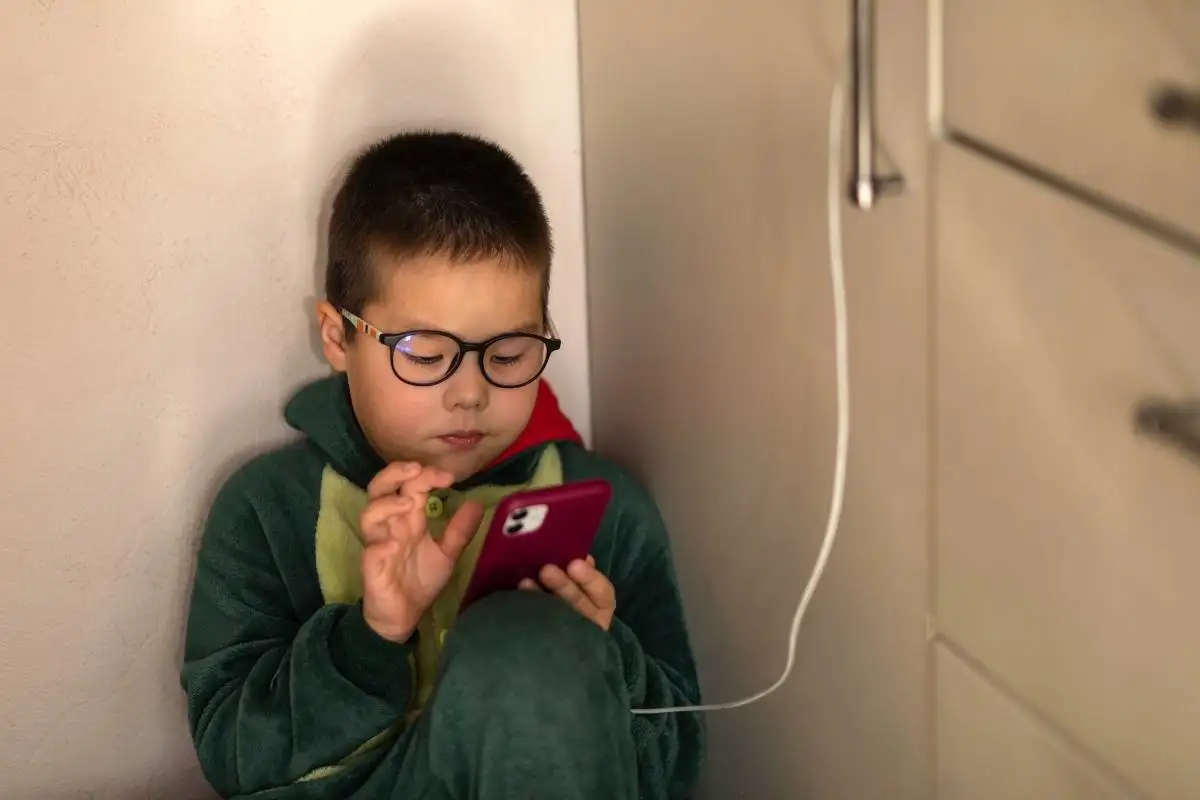
What Is RedNote? The New TikTok Alternative Every Parent Should Know in 2026
Last week my friend sent me a panicked text: “My daughter just asked if she can download something called RedNote because ‘all her friends are on it.’ I barely wrapped my head around TikTok, now this?”
If that sounds familiar, you are not alone. Just when parents feel like they finally understand one app, another one pops up in its place. RedNote is one of those apps that kids talk about casually, but parents often hear about much later, usually when the account is already set up.
This matters because RedNote is growing fast, especially with teens looking for a TikTok alternative after bans and restrictions. Before you agree to anything, you should know what it is, how it works, what risks come with it, and how to keep your child safe if they decide to use it anyway.
- RedNote (also known as Xiaohongshu or Little Red Book) is a Chinese social media platform that mixes short videos, photos, and shopping, often compared to Instagram, Pinterest, and TikTok combined.
- It has a reputation for “aesthetic” lifestyle content, but your child can still run into adult themes, unrealistic body image, influencers, and privacy risks.
- Content is heavily moderated in China, and there are real concerns around data, censorship, and what is tracked about users in other countries.
- You can reduce the risks by setting clear family rules, using tools like Social Media Monitoring and a solid Screen Time App, and keeping honest, ongoing conversations with your child.

Quick Safety Snapshot: RedNote & Your Child ?
What Exactly Is RedNote and Why Are Teens Flocking To It?
RedNote in plain language
RedNote, often linked with the Chinese app Xiaohongshu (also called Little Red Book), is a social media platform that mixes short videos, photos, and shopping. Think of it like this:
- It looks a lot like Instagram, with carefully curated photos and short videos.
- It has “idea” and inspiration boards that feel very similar to Pinterest.
- It has addictive, vertical videos that remind kids of TikTok.
It originally grew as a lifestyle and shopping app in China, where users share outfit ideas, makeup routines, travel tips, study hacks, and product reviews. It then started gaining attention in the US and Europe, especially when TikTok faced bans or restrictions. Teens and young adults went looking for the “next thing” and found RedNote.
Why your child might be hearing about RedNote in 2026
Here is why kids talk about it so much:
- Friends are switching from TikTok. Some schools, public Wi-Fi networks, or even governments have blocked or restricted TikTok. So kids look for something similar and “cool.”
- It feels new and “less parent invaded.” RedNote is not as mainstream among parents yet, so teens feel like it is their space.
- It looks aspirational. A lot of content is “aesthetic” and polished, showing perfect rooms, perfect bodies, perfect test scores, and perfect morning routines.
- It has shopping built in. Influencers and regular users recommend products and outfits, often linked directly to shops.
On the surface, it can look harmless. Study tips, outfit ideas, travel diaries, what could be wrong with that? The problems start when you look at what sits behind the pretty photos and smooth videos.
The Real Concerns Parents Should Know About RedNote
1. Data, privacy, and the RedNote controversy
RedNote has been compared to TikTok not just for content, but also for who owns it and where the data goes. A lot of the conversation around RedNote focuses on:
- Data collection. Users joke about “meeting their Chinese spies” and “handing over their data” like it is nothing. That kind of humor usually means people know something is off, but use the app anyway.
- Censorship and moderation. In China, content is heavily controlled. That means certain topics might be removed or shaped without users even noticing. Kids are not equipped to understand that what they see can be filtered by political or cultural rules.
- Cross-border use. When US and European users joined during past TikTok scares, they were walking into an ecosystem built around very different laws and assumptions about privacy.
You may not get a clear list of what is tracked or how long it is stored. That is a problem when you are talking about minors who share photos, videos, and location clues every single day.
2. Is RedNote kid friendly, really?
On paper, RedNote sounds semi-friendly to younger users. For example:
- The App Store lists it as 12+.
- Google Play calls it “Parental Guidance Recommended.”
- The terms and conditions quietly mention that users should be 18 and older.
There is no real age verification, so any 12- or 13-year-old can click “I am over 18” and walk right in. Once inside, your child can easily encounter:
- Adult themes in fashion, beauty, dating, and nightlife content.
- Heavily edited bodies that fuel body image and self-esteem issues.
- Subtle but constant advertising in the form of influencer posts and “hauls.”
- Strangers in the comments or DMs, depending on privacy settings.
The app is not built with children as the primary audience, no matter what the age label suggests.
3. Mental health, comparison, and the “perfect life” problem
Kids are vulnerable to comparison. RedNote leans heavily into aspirational content. That means a teenager might spend an hour scrolling and see:
- Top-ranked students “studying 10 hours a day.”
- Perfect bodies in gym outfits, diet videos, and “what I eat in a day.”
- Flawless bedrooms, apartments, and travel spots that cost more than your monthly rent.
After enough of this, real life at home starts to feel boring or not good enough. You might notice your child getting more withdrawn, moody, or obsessed with looks or popularity.
This is why controlling Website Access Time Control and carefully watching which apps they spend time on is not being overprotective. It is protecting their mental health.
4. Contact with strangers and unsafe content
Even if your child claims “I just use it for inspiration,” you still have to treat RedNote like any other open social platform:
- People can comment, react, and sometimes send private messages.
- Not everyone is who they say they are. Adults can pose as teens easily.
- Some content tagged as “fashion” or “body positivity” can slide into sexualized images or unhealthy diets.
- Some users create “finsta”-style accounts (fake accounts) just to hide content from parents.
If you are not regularly checking in, you can miss early signs of grooming, bullying, or exposure to harmful content.
5. Screen time spiral and sleep loss
RedNote uses the same type of endless feed that made TikTok and Instagram so sticky. One “quick look” turns into 45 minutes, then 2 hours. Late-night scrolling is especially common.
Sleep loss, falling grades, and mood swings often show up way before a child admits the app is a problem. This is why a structured Screen Time App is almost a must-have for families now. Kids are not wired to self-regulate against billion-dollar attention machines.
How To Keep Your Child Safe If They Use RedNote
1. Start with an honest conversation, not a lecture
Before you rush to ban RedNote, talk. You will get a lot further if your child feels heard and respected. Try something like:
- “I keep hearing about RedNote. What do you like about it?”
- “Can you show me your favorite accounts?”
- “If something creepy or weird popped up there, what would you do?”
Listen first. Your goal is to understand how they use it and how emotionally attached they already are. That helps you set boundaries that feel fair instead of crashing in with “delete it now.”
2. Set clear family rules for RedNote and similar apps
Whether you allow RedNote or not, use it as a chance to create general social media rules. For example:
- Age rules. You might decide that no new social app is allowed before a certain age, or that you will review each one together.
- Privacy rules. No real last names in usernames, no school name, no obvious location tags near home, no sharing where they will be at a specific time.
- Posting rules. No full-body swimsuit photos, no underwear photos, no posts that reveal addresses, phone numbers, or your family’s routine.
- Communication rules. No replying to DMs from strangers. No moving conversations to private chats like WhatsApp or Snapchat without telling you.
Write these down. Treat them like house rules, not random suggestions.
3. Use tech tools to back up your house rules
You should not have to manually check every single tap your child makes on a phone. This is exactly where a tool like Avosmart helps you stay sane and consistent.
Here is how different Avosmart features give you actual control when apps like RedNote show up:
- Social Media Monitoring lets you see activity across platforms like TikTok, Instagram, and other popular apps. You can spot worrying patterns, such as sudden late-night usage or spikes in social media time, and step in before it gets serious.
- Screen Time App features help you set daily limits, create no-phone times for sleep and homework, and block access when the limit is up. If RedNote or similar apps are eating into sleep, you can cut them off automatically after a certain hour.
- Website Filtering helps if your child uses a browser-based version or clicks out to other sites. You can block adult content categories, gambling, violence, and more, even if they first encounter them through social apps.
- Reports and Statistics show which apps and websites are used the most, when, and for how long. You do not have to guess whether RedNote is a “quick check” or a 3‑hour habit. You will see it in black and white.
The goal is not to spy for the sake of spying. It is to have facts when you sit down with your child and say, “Look, this app is taking over your evenings, and I am worried about your sleep and stress level. Let us change something together.”
4. Protect their mental health around body image and comparison
If your child is drawn to RedNote for fashion, fitness, or beauty content, keep a close eye on how it affects their mood. Things to try:
- Follow a few positive, realistic creators together. Talk about why their content feels better.
- Explain filters, editing, and staged photos. Show “before and after” examples from creators who reveal their editing process.
- Set “offline balance” rules, such as: for every hour online, they should spend at least some time on sports, hobbies, or meeting people in real life.
That is where tools like Website Access Time Control help. You can define time windows for social apps, saving at least part of the day for real-world activities, homework, and sleep.
5. Keep an eye on messages and hidden accounts
Kids sometimes create second or third accounts that parents do not know about. They might claim they “barely use” RedNote while their real account is under a different username.
Watch for signs like:
- Quickly exiting the app when you walk by.
- Using generic words for apps instead of naming them.
- Sudden changes in mood after being on their phone.
Make it clear that secret accounts are not allowed. Combine this with tech boundaries through tools such as Avosmart so you are not relying purely on trust with zero visibility.
6. Model the behavior you want to see
Kids notice everything. If they see you scrolling in bed, checking notifications at the dinner table, or jumping into comment battles, your “no late-night RedNote” rule will not land well.
Try simple family habits like:
- Charging all devices outside the bedroom at night, including yours.
- Phone-free meals.
- Occasional “offline evenings” where everyone, you included, takes a break from social media.
This is not about perfection. It is about sending the message that phones serve your family, not the other way around.
Moving Forward With RedNote And Other “Next TikTok” Apps
There will always be a “next TikTok.” Right now it might be RedNote. Later it will be something none of us have heard of yet. You cannot chase every single app by name forever.
What you can do is build a system at home:
- Clear rules about when and how social media is used.
- Ongoing, honest talks about privacy, pressure, and mental health.
- Practical tools like Avosmart’s Social Media Monitoring, Screen Time App, and Reports and Statistics so you are not parenting blind.
If you are reading this, you are already the kind of parent who cares enough to do the hard, sometimes uncomfortable, work of staying involved. You will make mistakes. You will sometimes react too fast or too slow. That is normal.
The most powerful thing you can give your child is not a perfectly chosen set of apps. It is the message that no matter what they see online, no matter what happens on RedNote or anywhere else, they can always bring it to you, and you will face it together.
Frequently Asked Questions
What is the RedNote TikTok alternative?
RedNote, often linked with Xiaohongshu or Little Red Book, is a Chinese social platform that mixes photos, videos, reviews, and shopping. People describe it as a mix between Pinterest and Instagram, with short, TikTok-style videos and lifestyle content like fashion, beauty, travel, and study tips. Many users outside China discovered it when they were looking for a “replacement” during past TikTok bans and restrictions.
What is the RedNote controversy?
The controversy around RedNote revolves mainly around privacy and censorship. As a Chinese platform, it raises questions about how user data is collected, stored, and possibly shared. Users from both China and other countries often joke about “meeting their Chinese spies” or handing over their data, which points to real concerns beneath the humor. There is also the issue of content moderation and censorship, since certain topics may be restricted or shaped by local rules without users fully realizing it.
Is RedNote kid friendly?
RedNote is not truly designed for children. On the Apple App Store it appears as 12+, and on Google Play it is marked as “Parental Guidance Recommended,” but the platform’s own terms say users should be 18 or older. There is no effective age verification, so younger teens can easily create accounts. While there is lots of harmless content, kids can still run into adult themes, unrealistic body standards, pressure to buy products, and unwanted contact from strangers. If a child uses RedNote, they should only do so with strong parental guidance, clear rules, and protective tools in place.